Best Time to Visit Bali for Optimal Weather and Crowd Avoidance

If you want the best weather and fewer crowds in Bali, plan your trip during the dry season, which runs from April to October. The optimal months to visit are May, June, September, and October, when the skies are clear, and the island is less crowded. These months offer perfect conditions for beach days, outdoor adventures, and exploring cultural sites.
While July and August are also good for sunny weather, they tend to be busier with tourists. If you prefer a quieter and more budget-friendly visit, consider the wet season from November to March. Although you might face some rain, this period is peaceful and offers lush landscapes at a lower cost. Your choice depends on what experience you want from Bali.
Understanding Bali’s Climate
Bali’s weather changes mainly between two seasons. You will find dry and wet months that affect your activities and travel plans. Temperatures stay warm most of the year, but humidity can change how the heat feels.
Dry Season vs Rainy Season
The dry season in Bali runs from April to October. During this time, you see the least rain and the most sunshine. This makes it the best season for beach trips, outdoor sports, and sightseeing.
The rainy season is from November to March. You can expect frequent showers and sometimes heavy downpours. Rain usually comes in short bursts, so you may still enjoy outdoor activities, especially in the mornings. The wet season brings fewer tourists and lower prices.
If you visit during the wet season, pack for rain and plan for some indoor activities. The east and north parts of Bali see less rain, so you can explore those areas to avoid the worst weather.
Temperature Ranges Throughout the Year
Bali has a tropical climate with warm temperatures year-round. Daily highs usually range between 27°C and 32°C (80°F to 90°F). Nighttime temperatures rarely drop below 22°C (72°F).
In the dry season, temperatures feel warmer but are more comfortable due to less humidity. The wet season stays warm, but rain and higher humidity make it feel hotter.
The temperature does not change much from month to month, so your decision on when to visit depends more on rain and humidity than on temperature shifts.
Humidity and Tropical Weather Patterns
Humidity in Bali is high all year but lower in the dry season. During these months, humidity is more comfortable, making outdoor activities more pleasant.
The wet season brings higher humidity. This can make the air feel hotter and heavier. You may find the heat more tiring if you are not used to tropical climates.
Bali's tropical climate means sudden rain showers are normal, especially in the wet season. These rain bursts usually last a short time but can be intense. Check weather reports if you want to plan specific outdoor activities.
Peak Tourist Seasons in Bali
When planning your trip to Bali, knowing when most tourists visit can help you decide how busy places will be and how much you might pay. Some months attract large crowds, while others are quieter but may have different weather conditions.
High Season Months
The busiest months in Bali usually run from July through August, and sometimes into early September. These months fall within the dry season, offering warm, sunny weather that is ideal for beach time and outdoor activities. Many travelers choose these months for holidays, so popular spots like Seminyak, Ubud, and Kuta get crowded.
During these times, you can expect crowded beaches, busy tourist attractions, and longer waits at restaurants. Festivals and events often take place, adding to the lively atmosphere. You should book flights and hotels well in advance if you plan to visit during high season.
Low and Shoulder Seasons
The low season generally spans from November to March, which is Bali's rainy season. You’ll find fewer tourists, quieter beaches, and more relaxed vibes. However, heavy rain showers can occur, sometimes making outdoor plans tricky.
Shoulder seasons, such as late April to June and September to October, offer a good balance. The weather is mostly dry and comfortable, but there are fewer tourists than at peak times. These months give you more space to enjoy popular areas without the extreme crowds.
Impacts on Prices and Crowds
During the high season, you will find flight and hotel prices peak. Hotels often increase their rates, and discounts are rare. It’s common for restaurants and tour operators to have higher prices too. Expect busy streets and crowded beaches, which can affect how you experience popular attractions.
In the low season, prices drop significantly, especially from November to March, excluding Christmas and New Year. You can get good deals on accommodations and flights. The lower crowd levels mean you can relax more and have better access to sights, but be prepared for some rain. Shoulder seasons often offer the best value for both price and weather.
Monthly Breakdown: When to Visit Bali
Bali's weather and events change throughout the year, so choosing when to visit depends on your plans. The best beach months offer sun and calm seas. Nature lovers will find the best times for green landscapes and adventure during different months. If you want to join Bali’s cultural festivals, timing your trip is key.
Best Months for Beach Activities
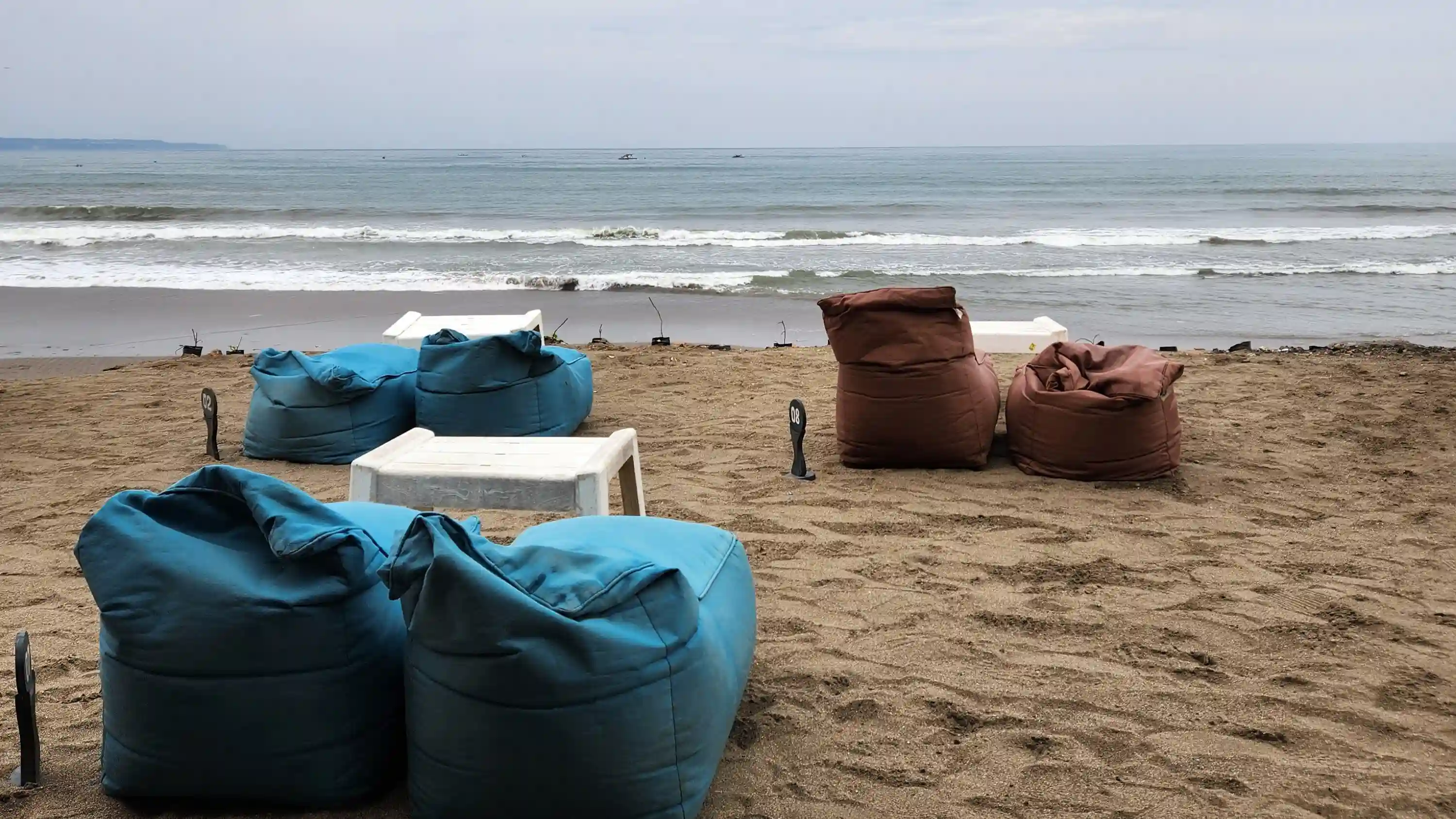
The dry season from May to September is ideal for beach activities. You can expect plenty of sunshine, clear skies, and calm ocean waters perfect for swimming, snorkeling, and surfing. July and August are the sunniest, but these months also attract bigger crowds. Visiting Bali during the dry season greatly increases your chances of experiencing stunning sunsets.
If you prefer fewer people, choose May, June, September, or October. These months have great beach weather with less crowd pressure. The sea stays warm for water sports, and you can enjoy beaches like Nusa Dua and Seminyak comfortably.
Avoid the rainy season from November to March if you want consistent beach weather. Rain can be heavy and disrupt outdoor plans, though the landscape stays lush.
Ideal Times for Nature and Adventure
If you want to explore Bali’s forests, rice terraces, or go trekking, visit during the dry season (May to September). Trails are dry and safe, and the visibility is good for outdoor activities like volcano hikes or jungle rafting.
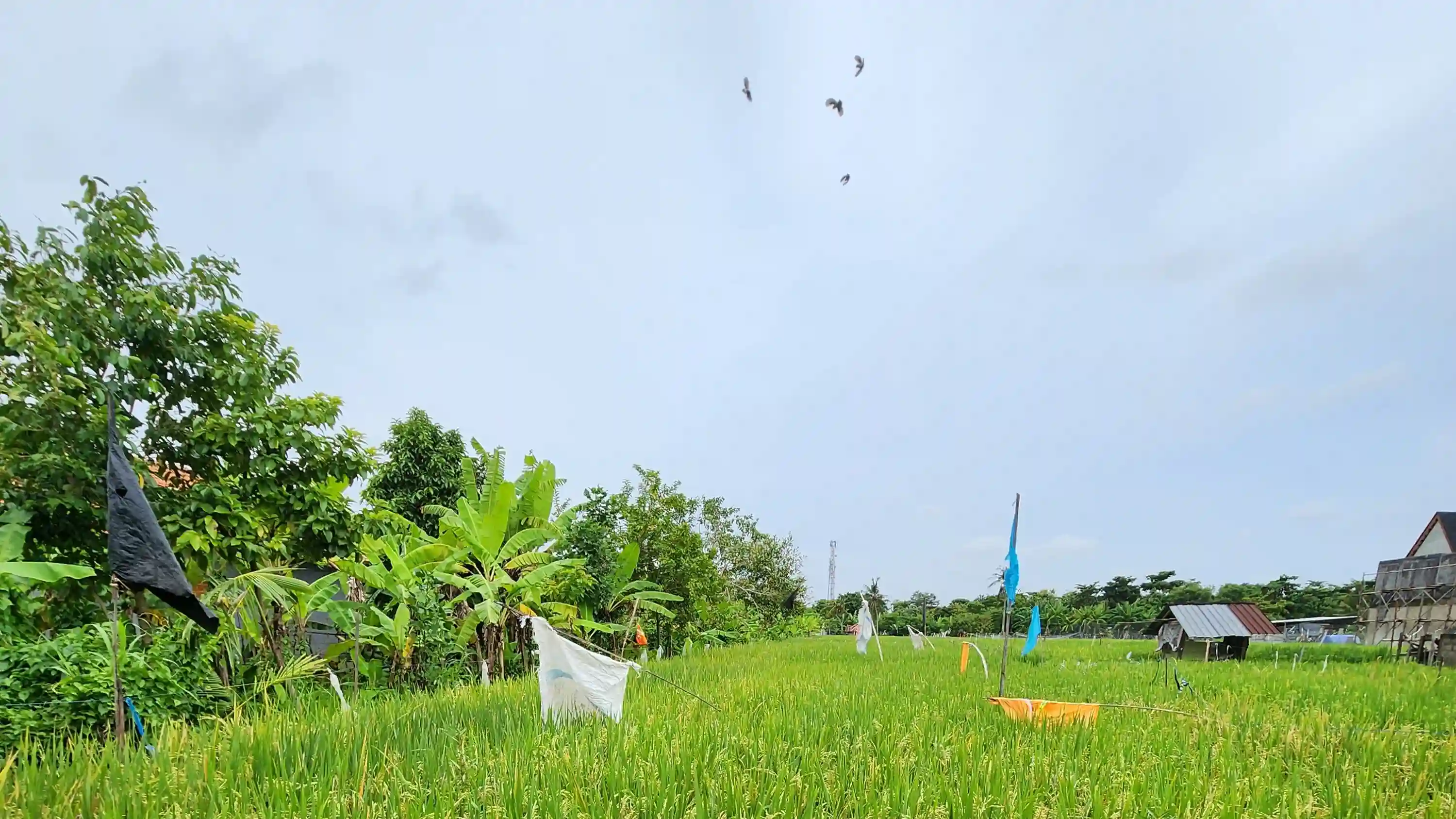
For lush green views and fewer tourists, consider visiting just before or after the dry season, in April or October. You might face some rain, but the rice fields and waterfalls are at their most vibrant.
The wet season (November to March) is less ideal for long hikes or diving due to rain and rough seas, but it can be peaceful for travelers looking to avoid crowds and explore indoor or cultural sites.
Holiday and Festival Calendar
Bali’s festivals offer unique cultural experiences. The Nyepi Day (Balinese New Year) usually falls in March and is a day of silence and reflection. Most tourist activities pause, so plan accordingly.
In June and July, you can witness the Bali Arts Festival and other traditional performances. These months are lively, with plenty of cultural shows across the island.
Other significant festivals include Galungan and Kuningan, spaced about 210 days apart, celebrating the victory of good over evil. These vary each year but often fall in mids of the dry season, providing colorful and spiritual events to experience.
Check festival dates before planning, as they offer an authentic glimpse into Balinese culture but may affect travel logistics and accommodations.
Events and Festivals in Bali
Bali’s festival calendar is filled with unique cultural and religious events. These happen mostly during the drier months, offering you a chance to see local customs up close. Many festivals involve traditional ceremonies, parades, and community gatherings that show the island's rich heritage.
Nyepi and Balinese New Year
Nyepi, the Balinese New Year, is a major event you should plan around. It usually falls in March and marks the start of the Saka calendar year. On Nyepi Day, the entire island observes a day of silence, fasting, and meditation. No flights, traffic, or outdoor activities are allowed, creating a rare, calm atmosphere.
The day before Nyepi, called Ogoh-Ogoh, features giant demon statues paraded through the streets. This ritual symbolizes cleansing the island of evil spirits. Experiencing Nyepi gives you a deep insight into Balinese spirituality and traditions.
Galungan and Kuningan
Galungan and Kuningan are two important festivals happening approximately every 210 days. Galungan celebrates the victory of good over evil and lasts around 10 days. You can expect to see decorated bamboo poles called penjor lining the streets, offering a vibrant and festive scene.
During these days, families visit temples to make offerings, and the island fills with temple ceremonies. Kuningan marks the end of the Galungan period. On this day, special prayers are held as ancestors are believed to return to the afterlife. These festivals show you Bali’s strong religious values and communal spirit.
Art and Cultural Festivals
If you’re interested in Balinese art, timing your visit for one of the island’s cultural festivals is ideal. The Bali Arts Festival takes place every June and July in Denpasar. It features dance performances, traditional music, crafts, and art exhibitions.
You can watch local artists display their talents, including wayang puppet shows and gamelan orchestras. Another event, the Ubud Writers & Readers Festival, usually happens in October and draws creative minds from all over. These festivals offer a chance to connect with Bali’s creative side beyond its natural beauty.
Best Time for Surfing and Water Sports
You can plan your trip around the best surf spots by region and choose when to snorkel or dive based on visibility and calm sea conditions. Timing your visit right makes sure you have the best water experience.
Surfing Season by Region
The dry season, from April to October, is the best time to surf on Bali’s west coast. During these months, places like Kuta, Padang Padang, and Bingin offer consistent waves with offshore winds making the water cleaner and easier to ride.
From November to March, the wet season shifts the best waves to Bali’s east coast. Spots such as Sanur and Serangan light up with good swells. Keep in mind the winds can be stronger and the water choppier in some areas.
If you want to avoid crowds but still catch waves, aim for the shoulder months of April and October. The surf conditions are mixed, but fewer surfers means more space for you.
Snorkeling and Diving Conditions
For snorkeling and diving, the dry season between May and September is ideal. The water is calm, clear, and offers good visibility, often exceeding 20 meters, making it easier to see coral reefs and marine life around spots like Nusa Penida and Menjangan Island.
During the wet season, water conditions can be rougher with stronger currents and reduced visibility due to rain runoff.
Plan your dives early in the dry season if you want the best chance to see manta rays or other large marine animals, as they tend to visit these areas then. The sea temperature stays warm year-round, around 27-29°C, so the water is comfortable for most activities.
Wildlife and Nature Experiences
Bali offers striking natural beauty year-round, but certain months give you the best chance to see its rice terraces at their greenest and volcanoes most visible. You can also plan when to catch rare bird species and enjoy clear marine life sightings, especially for diving and snorkeling.
Optimal Times for Rice Terraces and Volcanoes
The rice terraces look their most vibrant during the rainy season from November to March. The steady rain turns the fields bright green and full of life. You’ll find the terraces especially stunning after heavy showers, with water-filled paddies reflecting the sky.
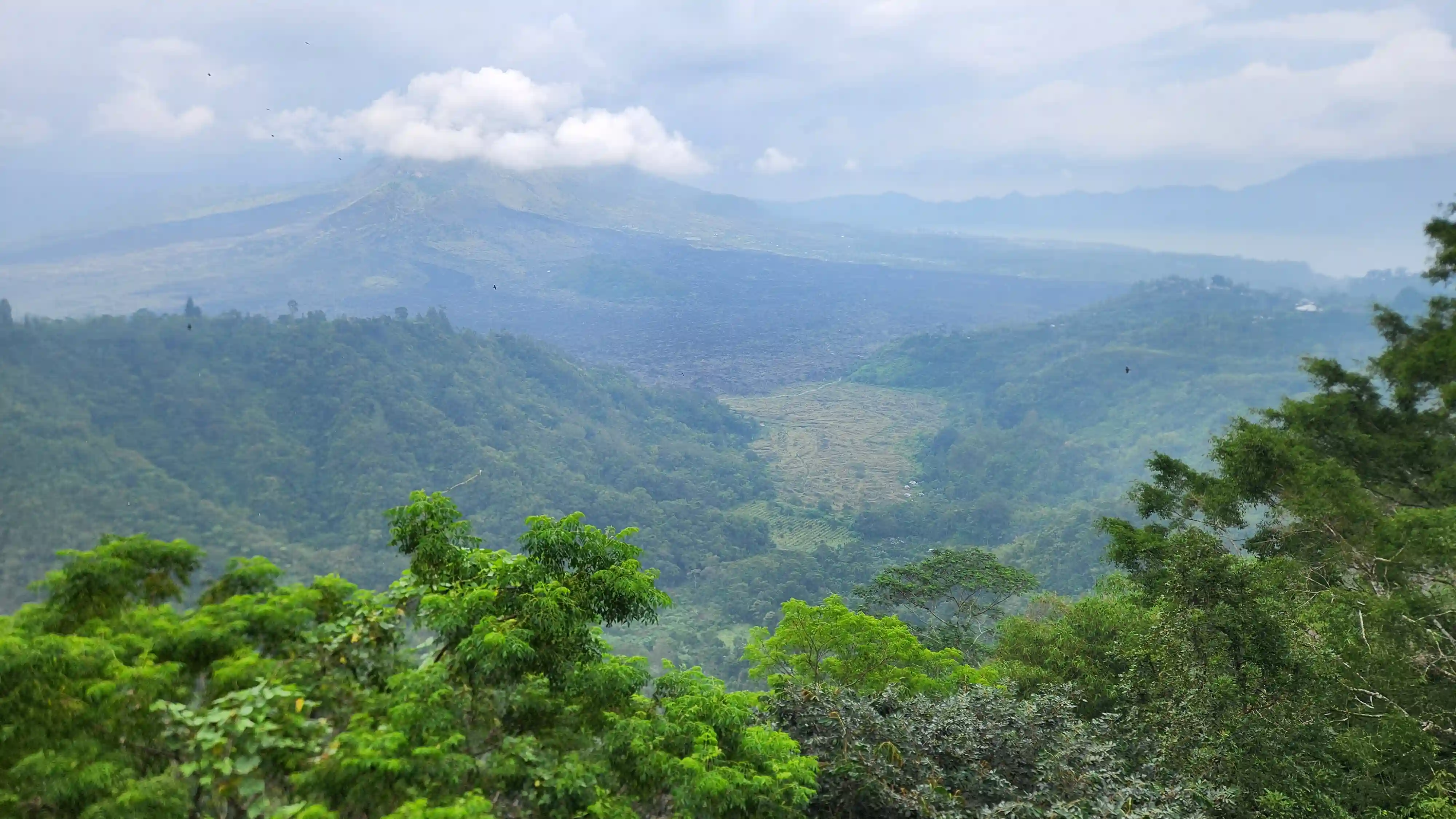
For clear views of Bali’s volcanoes like Mount Batur, plan your visit during the dry season from May to September. The skies are clearer and less cloudy, making it easier to hike or photograph these peaks. Early mornings in these months are best for visibility and cooler temperatures.
Birdwatching and Marine Life Sighting
If you want to spot birds, visit Bali during the wet season when migratory and native birds are active in the forests and wetlands. Singing and colorful birds are easier to find due to the lush vegetation.
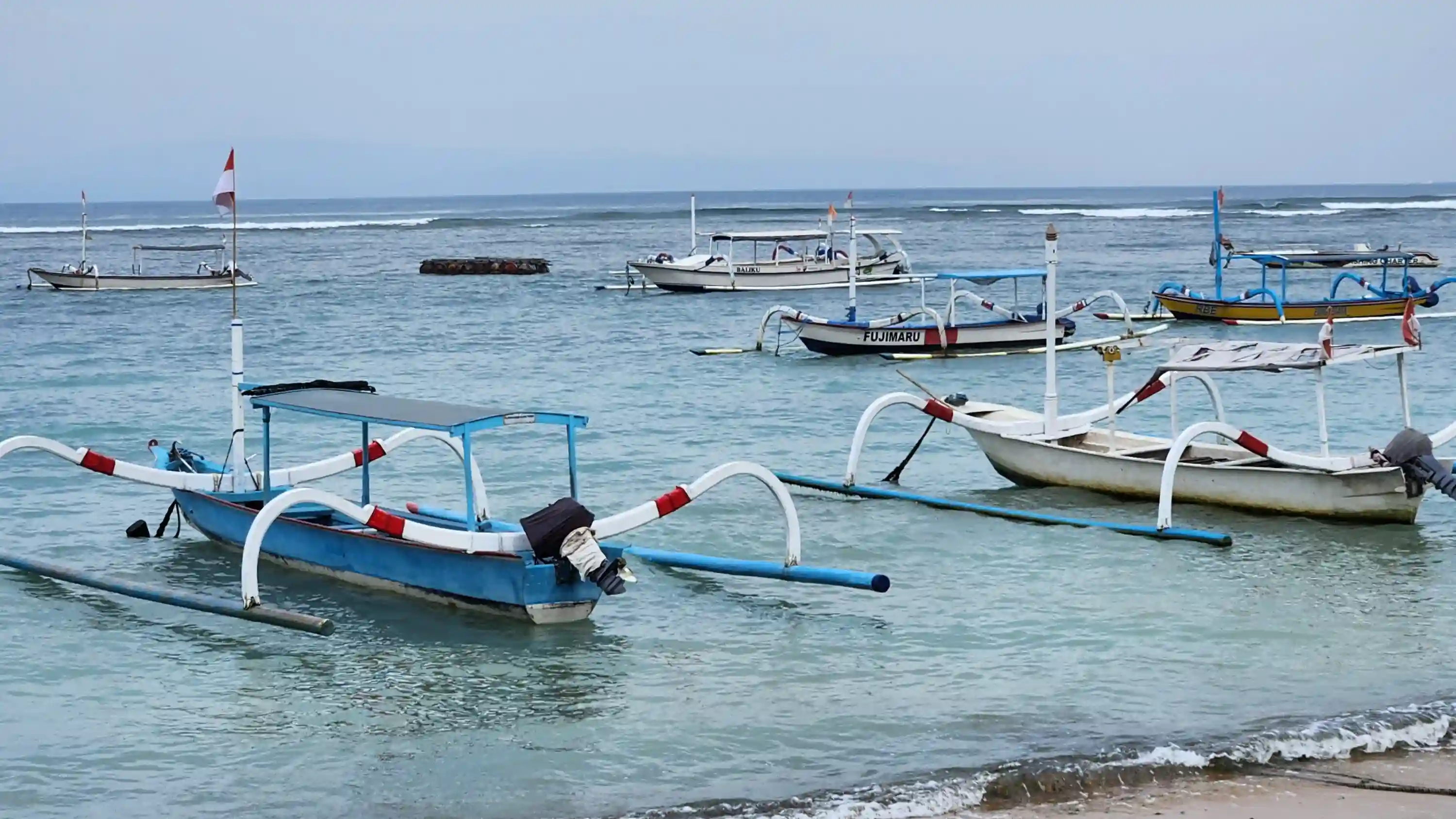
For marine life, the dry season from April to October is prime time. The water is clear and calm, perfect for diving or snorkeling around coral reefs. You’re more likely to see turtles, reef sharks, and vibrant fish during these months, especially near popular spots like Nusa Penida and Menjangan Island.
You should also read:

The Ultimate Guide to Five Star Hotels in Bali: Luxury Paradise Awaits
Bali, the Island of the Gods, has long been a premier destination for travelers seeking both cultural richness and natural beauty. For those who appreciate the finer things in life, a five star hotel in Bali offers the perfect blend of traditional Balinese hospitality and…
Continue reading...
Best Area to Stay in Bali: Your Complete Guide to Choosing the Perfect Location
Choosing the best area to stay in Bali can make or break your vacation experience. This diverse island offers dramatically different atmospheres across its regions, from surf-culture beach towns to spiritual mountain retreats, from party-central hotspots to peaceful traditional villages. The right location depends entirely…
Continue reading...
Bali Budget Travel: Complete Guide to Exploring Paradise on a Shoestring
Bali budget travel is not only possible but can be incredibly rewarding, offering authentic experiences that luxury travelers often miss. This Indonesian paradise remains one of Southeast Asia's most affordable destinations, where you can enjoy tropical beaches, ancient temples, lush rice terraces, and vibrant culture…
Continue reading...